The Ultimate Potty Chart: Your Secret Weapon for Motivating Your Toddler
If you've ever tried to potty train a child, you know it’s rarely a linear, predictable journey. It’s a process filled with moments of triumph, stubborn resistance, and a fair amount of mess. As a parent, your job is to guide, encourage, and celebrate progress, but keeping track of it all while staying patient can feel overwhelming. That’s where a well-designed potty training chart—often simply called a potty chart—comes into play. It’s more than just a piece of paper; it’s a visual system that turns a daunting developmental milestone into a manageable, even fun, collaborative project between you and your toddler.
What Exactly Is a Potty Chart and Why Does It Work?
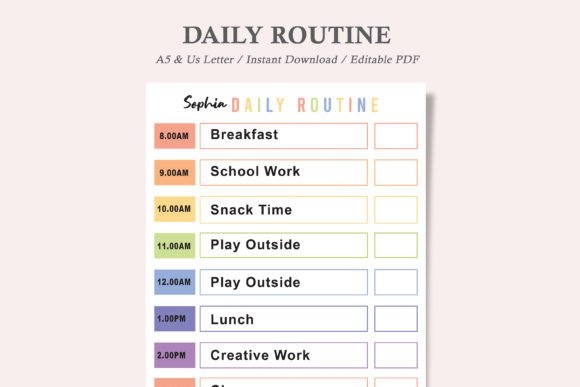
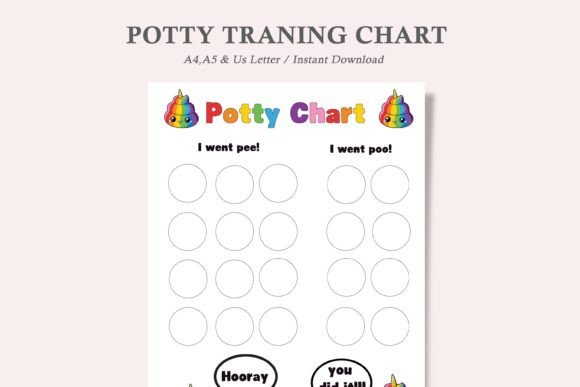
A potty chart is a simple tracker, usually a printable or digital template, that allows you and your child to record successes. Think of it as a progress map. Each time your toddler successfully uses the potty, you mark it on the chart—with a sticker, a star, a checkmark, or a happy face. The immediate visual reward is powerful for a young child. It transforms an abstract concept ("learning to use the toilet") into a concrete, achievable goal ("I need three more stars to get that small toy"). The chart itself becomes a focal point for motivation, a daily conversation starter about goals, and a tangible record of how far your child has come.
The magic lies in its simplicity. Children respond incredibly well to clear, visual feedback. A potty tracker or potty log provides that feedback in a way they can understand and own. It shifts the dynamic from you constantly reminding or asking, to them actively working towards filling up their chart. For parents, it offers a structured way to stay positive and consistent, reducing the mental load of remembering every attempt and success over a long, chaotic day.
Real-World Scenarios: Where and When a Potty Chart Makes All the Difference
Consider a typical busy household. Morning routines are rushed, afternoons are packed with activities, and evenings are about winding down. In this whirlwind, potty training can become reactive and sporadic. Having a potty reward chart displayed in a central spot—like on the bathroom door or the fridge—creates a constant, calm reminder. It’s there during the morning rush when you say, "Let’s try before we get dressed, and you can pick a sticker!" It’s there after lunch, providing a natural nudge. It becomes part of the household rhythm.
For parents who work from home or have flexible schedules, the chart provides a framework for focused training periods. You might dedicate a weekend or a few afternoons to "potty camp," using the chart as the central game. For families with multiple caregivers—perhaps both parents, a grandparent, or a nanny—the kids potty chart serves as a universal communication tool. Everyone knows the system, everyone can consistently reward successes, and the child gets a unified message, which is crucial for avoiding confusion.
Another key scenario is the child who is initially resistant or fearful. The pressure of "going potty" can create anxiety. Introducing a chart not as a demand, but as a fun activity—"Let’s put a sticker on your special chart!"—can lower that pressure. The focus becomes the sticker and the praise, not the bodily function itself. Over time, the association shifts from anxiety to achievement.
Beyond the Basics: Tailoring the Chart to Your Child's Personality
Not every child is motivated by the same things. A good potty training chart printable system offers flexibility. For a competitive or goal-oriented child, you might use a chart with clear milestones leading to a bigger reward. For a child who loves art and colors, letting them choose and place their own sticker each time can be the main reward itself. For a sensory-seeking child, you might pair each chart success with a small, tactile reward like a bubble bath or extra cuddle time.
This is where the features of a professional chart system matter. A minimalist, ink-friendly design isn't just about saving printer ink; it’s about creating a clean, uncluttered canvas that won’t overstimulate your child. The option to print a new page whenever you need more acknowledges that training can take weeks or months, and you shouldn’t run out of trackers halfway through. The inclusion of multiple sizes, like US Letter and A5, means you can choose a larger, more prominent chart for a shared family space or a smaller, portable one to take on trips or to grandma’s house.
What to Look For Before You Download or Purchase a Potty Chart System
With so many potty training resources available, choosing the right one comes down to a few practical considerations. First, think about your child’s attention span and interests. Does the chart’s design appeal to them? Is it visually engaging without being distracting? Second, consider your own lifestyle. Do you need a digital editable PDF so you can quickly type in your child’s name or customize the reward goals before printing? Or are you fine with a simple, pre-formatted JPEG you can print instantly?
The process matters too. A system that includes clear, straightforward instructions—purchase, download, print at home or a local shop—removes friction. You want to spend your energy on training, not on figuring out how to use the tool. Also, look for a chart that tracks more than just "successful potty use." Some include spaces for tracking attempts, dry pants checks throughout the day, or even washing hands, promoting a holistic hygiene habit.
Ultimately, the best potty chart is one that both you and your child will enjoy using consistently. It should feel like a help, not a chore. If it’s complicating your day or your child ignores it, it’s not the right fit. The goal is to find a system that seamlessly integrates into your existing routines and amplifies your encouragement.
The Long-Term Benefits: More Than Just a Dry Day
While the immediate objective is toilet independence, using a potty tracker teaches broader life skills. Your child learns about goal-setting, delayed gratification (small stickers leading to a bigger reward), and the pride of seeing their own progress documented. It’s an early lesson in self-management. For parents, it provides a valuable record. Looking back at a filled chart can be incredibly reassuring during moments of doubt; you have physical proof that progress is happening, even if it feels slow.
Moreover, this printable tool is often a one-time investment that can be reused for future children or shared with friends embarking on the same journey. Its value extends beyond your own household, making it a practical resource within your community of parents.
In the end, potty training is a significant developmental step. A thoughtful, well-implemented potty chart doesn’t just help you log successes; it helps you build a positive, cooperative, and rewarding experience around that step. It turns a potential source of stress into a shared project filled with little celebrations, paving the way not only for diaper-free days but for a confident, motivated child who knows they can achieve big things, one sticker at a time.