Your Recipe Journal: A Practical Tool for Food Enthusiasts
Have you ever found yourself reaching for a scrap of paper to jot down a cooking idea, or searching through multiple apps to recall a dish you perfected months ago? A recipe planner or journal interior provides a dedicated, tactile space to consolidate your culinary journey. Unlike generic notebooks, these are specifically formatted templates designed for organizing recipes, meal plans, and cooking reflections. They transform disparate notes into a coherent, personal cookbook, and their value extends far beyond simply recording ingredients.
Bringing Order to Culinary Creativity
For hobbyists and avid cooks, the primary benefit of a dedicated recipe journal lies in organization. Creativity in the kitchen often sparks in moments of inspiration, but those sparks can fade if not captured systematically. A structured interior with designated sections for recipes, weekly meal planning, and ingredient shopping lists allows you to channel that creativity into a usable framework. Imagine planning a week of dinners: you can quickly reference your own catalog of trusted recipes, note which ones require fresh herbs for your next market visit, and even leave space to jot down modifications based on what’s seasonal or on sale.
A Tool for Learning and Refinement
A recipe journal is not merely a repository; it’s an active tool for improvement. Every cook knows that a recipe is rarely perfect on the first attempt. With a journal, you can record not just the steps, but your observations. Did the sauce thicken too much? Next time, you note “reduce simmer time by 2 minutes.” Did your family love a particular spice adjustment? That becomes the new standard. This process of iteration and documentation turns casual cooking into a deliberate skill-building practice. Over time, your journal becomes a personalized culinary textbook, filled with knowledge tailored specifically to your taste, equipment, and experience.
Who Benefits from a Recipe Planner Interior?
While any cooking enthusiast can find value, several groups may find it particularly transformative.
New Cooks Building Confidence: Starting a cooking habit can feel overwhelming. A planner provides a clear, encouraging structure to follow. It can help track successful dishes, building a confidence-boosting portfolio of “go-to” meals.
Busy Professionals Managing Meal Prep: For those juggling work and home life, efficiency is key. A weekly planner section can streamline grocery shopping and prevent last-minute decisions, saving both time and mental energy during hectic weeknights.
Food Bloggers and Content Creators: For those sharing recipes online, a journal serves as an essential offline workspace. It’s a private place to draft, test, and refine recipes before publishing. Keeping a detailed log of variations and results can enrich the content shared with an audience.
Individuals with Specific Dietary Goals: Whether managing allergies, following a specific diet, or tracking nutrition, a custom journal allows for notes on substitutions, portion sizes, and personal reactions to meals, making it easier to stay on track.
Considering the KDP Recipe Interior for Publication
For entrepreneurs, self-publishers, and creators looking to offer a physical product, a recipe planner KDP interior presents a ready-made solution. These are professionally formatted, print-ready files designed specifically for Amazon’s Kindle Direct Publishing (KDP) platform. The key practical benefit here is the elimination of technical design hurdles.
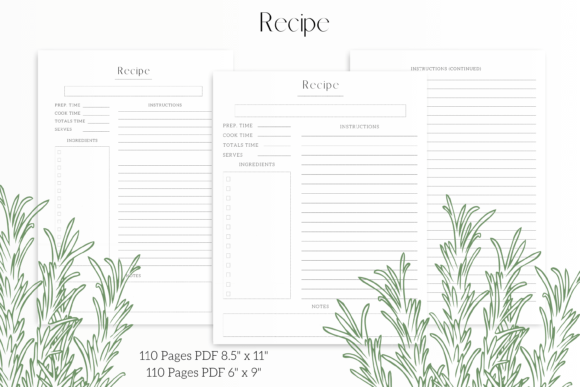
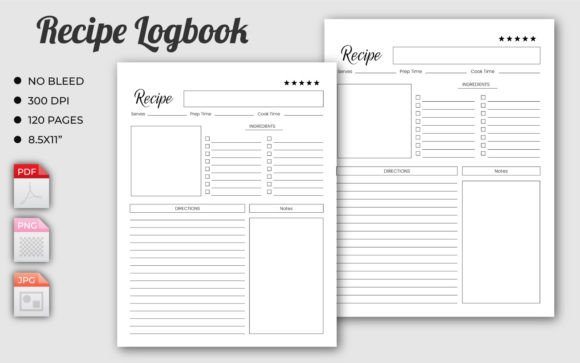
As mentioned, a typical package includes a 120-page interior in PDF, JPG, and PNG formats at high resolution. The size is preset to the standard 8.5″ x 11″ with no bleed, which is the perfect, tested interior size for KDP. This means you receive a product that is ready to upload, having already been validated against KDP’s printing requirements. For someone with culinary knowledge or a great collection of recipes but lacking graphic design skills or the time to learn precise print formatting, this is a significant efficiency gain. It allows you to focus on curating the content—your recipes and tips—rather than struggling with layout software and margin specifications.
Understanding the Scope and Fit
It’s important to recognize that these KDP interiors are typically low-content or no-content products. They provide the structured framework—the pages, sections, and layouts—but not the recipes themselves. You, as the publisher, fill that space with your unique content. This is ideal for creating a generic recipe journal for sale, a themed cookbook diary (like a vintage-style family cookbook), or a cooking planner for a specific audience. However, if your goal is to publish a book with fully written, original recipes and extensive narrative, you would need to use this interior as a base and add your text, or consider a more custom design solution.
The included formats (PDF, JPG, PNG) offer flexibility. The PDF is the primary upload file for KDP, while the image files can be useful for marketing or creating digital samples. The fact that it is 100 tested on Amazon KDP addresses a common concern for new publishers: the risk of upload errors or print-quality issues. Using a pre-tested interior reduces that uncertainty.
Integrating a Journal into Your Daily Cooking Practice
To derive real value, the tool must be used consistently. Start simply. Dedicate a few minutes after cooking a new dish to write it down. Use the meal planner at the start of each week, even if just for three meals. The act of writing physically can deepen memory and engagement with your food. For publishers, once you have the KDP interior file, the next step is populating it with sample content or your unique twist—perhaps adding introductory pages, tips pages, or specific categories that align with your niche, like “Quick 30-Minute Meals” or “Grandma’s Heirloom Recipes.”
Ultimately, whether for personal use or as a product for sale, a recipe planner or journal interior provides a structured canvas. It supports the practical goals of organization, learning, and efficiency, and for creators, it removes technical barriers to entering the publishing marketplace. Its success hinges on the content and care you pour into it, transforming a tested template into a repository of personal taste and culinary discovery.