Your Tool for Tracking Chronic Pain Symptoms Daily
If you live with chronic pain, fibromyalgia, arthritis, or any condition that brings daily symptoms, you know how fragmented the experience can feel. One day your shoulder aches, the next your energy crashes, and by Thursday a new trigger appears. Communicating this shifting landscape to a healthcare provider in a ten-minute appointment is nearly impossible. You need a system. The Chronic Pain Symptom Tracker is that system—a beautifully designed, practical journal built to capture the full picture of your day, not just a pain score.
Beyond the Pain Number: Capturing the Whole Story
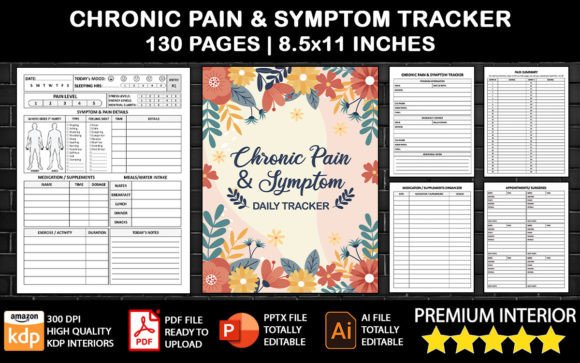
Traditional pain tracking often focuses on a single number on a scale. But pain doesn't exist in isolation. It's woven into your mood, your sleep quality, your stress, and what you ate that day. This tracker’s core value is its holistic approach. Each daily entry page provides structured, yet spacious, sections to log not only Pain Level, Location, Type, Time, and Triggers, but also Mood, Sleeping Hours, Stress Levels, Energy Levels, and Mental Clarity. This multi-axis data is what transforms a simple diary into a diagnostic tool for you and your care team.
Seeing these factors side-by-side over 120 entries (designed to cover roughly four months of daily use) can reveal patterns you'd never spot otherwise. Maybe a particular meal consistently precedes a flare-up. Perhaps your pain intensity dips noticeably after a specific, gentle exercise, even if your energy remains low. This isn’t just record-keeping; it’s active, empowered self-research.
A Design That Respects Your Energy and Time
The visual design of this tracker is intentionally clean, calm, and highly functional. For anyone managing chronic symptoms, cognitive load and mental clarity are often compromised. A cluttered, overly decorative journal can become a source of stress itself. This tracker uses a clear hierarchy, ample white space, and straightforward labeling to make the act of recording feel manageable, even on difficult days. The aesthetic is professional and neutral—it feels like a tool, not a novelty, which lends credibility to the data within.
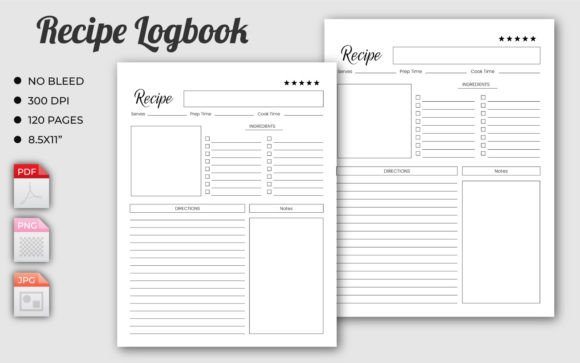
The 8.5×11 inch trim size provides a generous canvas for writing, without being overwhelming. The layout guides you logically through the day’s facets: from Medications & Supplements and Meals & Water intake to Exercise Activity & Duration, culminating in a dedicated space for miscellaneous notes. This flow mirrors a natural daily review, making the process intuitive.
The Foundational Pages: Organizing Your Healthcare Ecosystem
A standout feature is the inclusion of dedicated summary pages at the start. Before you begin daily logging, you can compile your Personal Info, Doctors & Specialists Info, Medications & Supplements, Appointments, Surgeries, and a Pain Summary. This transforms the journal into a centralized, portable health hub. In an urgent situation or a first consultation with a new specialist, these pages provide an instant, comprehensive overview. It saves you from scrambling through disparate notes and old prescriptions, projecting organization and proactive self-management.
Practical Flexibility for Digital and Print Use
You receive the tracker as both a print-ready PDF and an editable PowerPoint (PPT) file. This dual format is crucial for real-world application. The PDF is perfect for immediate printing at home or a local print shop, or for uploading to digital tablet apps where you can write directly on the page. The editable PPT file, however, unlocks customization. You can adjust headings, add a specific symptom unique to your condition, or even translate sections if needed. This adaptability ensures the tool fits you, not the other way around.
The included cover files (PDF, AI, EPS) in editable formats mean you can also personalize the exterior. Perhaps you want to add your name or a simple, calming image. For small business owners or therapists looking to provide a branded resource to clients, these editable assets allow for seamless integration into your professional materials.
How This Tracker Enhances Communication and Clarity
The ultimate goal is better outcomes through better communication. Handing a doctor a two-page printout summarizing three months of correlated data—pain levels alongside sleep metrics and medication times—is profoundly more effective than verbally recalling "it was bad last Tuesday." This tracker facilitates an evidence-based dialogue. It moves conversations from subjective impressions towards observable trends.
For designers, entrepreneurs, and content creators who may also manage chronic conditions, this tool offers a way to professionally manage health data without it consuming creative energy. The structure does the heavy lifting. You simply fill in the blanks. The resulting records can help you plan your work schedule around predictable energy highs, identify productivity triggers, and advocate for accommodations with concrete data.
A Tool for Any Condition Requiring Daily Observation
While built with chronic pain in mind, the tracker’s framework is universally applicable. It serves equally well for tracking migraine patterns, autoimmune flare cycles, mental health symptoms, or post-operative recovery. The "Miscellaneous Notes" section on each page is the catch-all for anything unique to your situation. Its design’s neutrality makes it a versatile companion for anyone engaged in long-term health monitoring.
The Chronic Pain Symptom Tracker is more than a journal. It’s a designed intervention for clarity and advocacy. By providing a calm, comprehensive, and adaptable structure, it turns daily logging into a strategic practice. Whether you use the ready-to-print PDF for simplicity or tailor the editable files to create a perfect personal or commercial resource, you’re building a detailed map of your health—one that can guide you, and your providers, toward better understanding and management.